
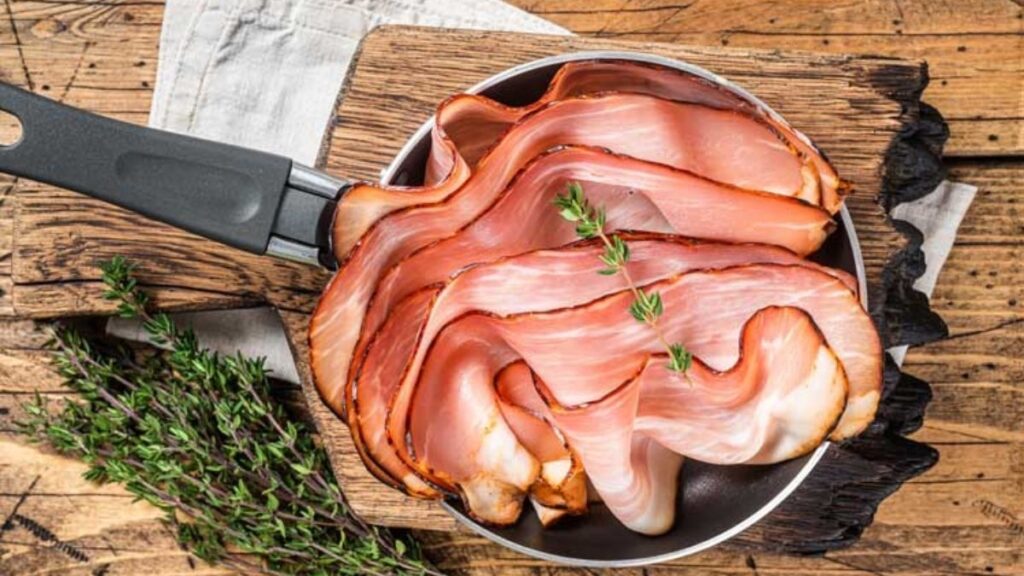
Black Forest ham is one of the world’s most recognizable cured meats, celebrated for its smoky flavor, tender texture, and rich culinary heritage. Originating from Germany’s famous Black Forest region, this specialty ham has become a favorite ingredient in sandwiches, charcuterie boards, salads, and gourmet recipes worldwide.
Whether you’re curious about its history, production process, nutritional value, or best serving methods, this guide covers everything you need to know about Black Forest ham.
What Is Black Forest Ham?
Black Forest ham is a dry-cured and smoked ham traditionally produced in Germany’s Black Forest region. It is known for its dark exterior, robust smoky aroma, and distinctive seasoning blend.
Unlike many cooked deli hams, authentic Black Forest ham undergoes a lengthy curing and smoking process that develops its complex flavor profile.
Key Characteristics
- Deep smoky taste
- Dark, seasoned outer crust
- Firm yet tender texture
- Rich aroma from natural smoking
- Thinly sliced serving style
Quick Definition
| Feature | Description |
|---|---|
| Type | Dry-cured smoked ham |
| Origin | Black Forest region of Germany |
| Flavor | Smoky, savory, slightly spicy |
| Texture | Firm and tender |
| Common Uses | Sandwiches, charcuterie boards, salads |
The History and Origins of Black Forest Ham
The story of this famous ham dates back centuries. Farmers in southwestern Germany developed curing and smoking techniques to preserve pork before refrigeration existed.
The Black Forest region provided ideal conditions for ham production. Dense forests supplied wood for smoking, while cool mountain air helped with curing and aging.
Over time, local producers refined their methods and created a product known for exceptional quality and flavor. Today, authentic Black Forest ham remains protected under European regulations that preserve traditional production standards.
Why the Black Forest Region Matters
Several factors contribute to the ham’s unique identity:
- Mountain climate
- Traditional smoking techniques
- Regional spice blends
- Generational craftsmanship
- Controlled curing methods
These elements work together to create a product that stands apart from ordinary ham varieties.
How Black Forest Ham Is Made
The production process is what gives this ham its distinctive character.
Step 1: Selecting Quality Pork
Producers begin with carefully selected pork cuts, typically from the hind leg.
Step 2: Dry Curing
The meat is rubbed with a blend of:
- Salt
- Garlic
- Coriander
- Juniper berries
- Pepper
- Other regional spices
The curing process removes moisture while enhancing flavor.
Step 3: Cold Smoking
After curing, the ham is smoked using local woods and traditional methods.
The smoking stage may continue for several weeks, creating the signature dark exterior and smoky aroma.
Step 4: Aging
The ham is then aged in controlled environments. This stage allows flavors to deepen and textures to develop.
Production Timeline Overview
| Production Stage | Purpose | Typical Result |
|---|---|---|
| Pork Selection | Quality foundation | Consistent texture |
| Dry Curing | Flavor development | Enhanced savory taste |
| Smoking | Aroma and preservation | Distinct smoky profile |
| Aging | Flavor maturation | Rich complexity |
What Does Black Forest Ham Taste Like?
Many people wonder how it differs from standard deli ham.
The flavor is often described as:
- Smoky
- Savory
- Slightly salty
- Mildly spicy
- Rich and complex
The outer crust contains concentrated seasonings that contribute additional depth.
Because of the curing and smoking process, each bite delivers a stronger flavor than many commercially processed hams.
Flavor Comparison
| Ham Variety | Flavor Profile | Texture |
|---|---|---|
| Black Forest Ham | Smoky and robust | Firm |
| Honey Ham | Sweet and mild | Tender |
| Virginia Ham | Salty and savory | Dense |
| Cooked Deli Ham | Mild and neutral | Soft |
Nutritional Value of Black Forest Ham
Black Forest ham can be part of a balanced diet when consumed in moderation.
Typical Nutritional Benefits
- High-quality protein
- Essential amino acids
- B vitamins
- Iron
- Zinc
Nutritional Considerations
Like other cured meats, it may contain:
- Higher sodium levels
- Preservatives depending on production method
- Saturated fat
Portion control is recommended for individuals monitoring sodium intake.
Average Nutrition Per Serving
| Nutrient | Approximate Amount |
|---|---|
| Calories | 60–90 |
| Protein | 8–12g |
| Fat | 2–5g |
| Carbohydrates | 0–2g |
| Sodium | Moderate to High |
Popular Ways to Serve Black Forest Ham
One reason for its popularity is versatility.
Sandwiches and Wraps
Thin slices pair well with:
- Swiss cheese
- Whole-grain bread
- Mustard
- Fresh vegetables
Charcuterie Boards
The smoky flavor complements:
- Aged cheeses
- Crackers
- Nuts
- Fresh fruit
- Olives
Breakfast Dishes
Add slices to:
- Omelets
- Breakfast sandwiches
- Egg casseroles
- Quiches
Salads
The ham can enhance salads with protein and smoky flavor.
Popular combinations include:
- Mixed greens
- Goat cheese
- Apples
- Walnuts
- Balsamic dressing
Best Food Pairings
Pairing foods correctly can elevate the dining experience.
Cheese Pairings
- Swiss cheese
- Gouda
- Brie
- Gruyère
- Aged cheddar
Fruit Pairings
- Apples
- Pears
- Grapes
- Figs
- Dried apricots
Bread Pairings
- Rye bread
- Sourdough
- Pretzel rolls
- Rustic artisan loaves
Pairing Guide
| Food Category | Recommended Pairings |
|---|---|
| Cheese | Swiss, Gouda, Brie |
| Fruits | Apples, Pears, Grapes |
| Bread | Rye, Sourdough, Pretzel Rolls |
| Condiments | Mustard, Horseradish, Pickles |
Pros and Cons of Black Forest Ham
Pros
- Rich smoky flavor
- High protein content
- Versatile ingredient
- Traditional production methods
- Excellent for entertaining
Cons
- Higher sodium content
- Can be more expensive than regular ham
- Strong flavor may not suit everyone
- Availability varies by region
Common Mistakes When Buying or Serving Black Forest Ham
Many consumers unintentionally reduce the quality of their experience.
Buying Thick Slices
Black Forest ham is best enjoyed thinly sliced. Thick cuts can make the texture seem tougher.
Ignoring Storage Guidelines
Proper refrigeration helps preserve flavor and freshness.
Overpowering It With Strong Ingredients
Using too many bold flavors can mask the ham’s unique characteristics.
Choosing Based Only on Price
Higher-quality products often provide better flavor, texture, and authenticity.
Best Practices for Enjoying Black Forest Ham
To get the most from your purchase, follow these tips.
Serve at the Right Temperature
Allow slices to sit briefly at room temperature before serving.
Use Fresh Accompaniments
Fresh bread, fruit, and cheese highlight the ham’s flavor.
Store Properly
Keep it refrigerated and tightly wrapped.
Buy From Reputable Sources
Look for trusted producers and specialty food retailers.
Entertaining Tip
Create a charcuterie board that balances:
- Smoky flavors
- Creamy textures
- Crunchy elements
- Sweet fruits
- Tangy condiments
This combination creates a memorable tasting experience.
Is Black Forest Ham Healthy?
The answer depends on portion size and overall dietary habits.
As a protein-rich food, it offers several nutritional benefits. However, because it is cured and smoked, moderation remains important.
For most healthy adults, occasional consumption as part of a balanced diet can fit comfortably within a nutritious eating plan.
Choosing products with minimal additives and pairing them with vegetables, fruits, and whole grains can further improve meal quality.
Conclusion
Black Forest ham has earned its reputation as one of the world’s most distinctive cured meats. Its centuries-old production methods, smoky flavor, and culinary versatility make it a favorite among food enthusiasts and home cooks alike.
Whether you’re building a charcuterie board, preparing a gourmet sandwich, or exploring traditional German cuisine, this flavorful ham offers a delicious way to elevate everyday meals. By understanding its origins, production process, nutritional profile, and best serving practices, you can fully appreciate what makes this classic specialty so special.
Frequently Asked Questions
1. What makes Black Forest ham different from regular ham?
It undergoes a traditional dry-curing and smoking process that creates a stronger smoky flavor and darker exterior.
2. Is Black Forest ham cooked?
Many commercial versions are fully cooked, while traditional varieties are cured and smoked. Always check product labeling.
3. Why is it called Black Forest ham?
It originates from Germany’s Black Forest region, where traditional production methods were developed.
4. Can Black Forest ham be frozen?
Yes. Properly wrapped portions can be frozen for several months while maintaining quality.
5. What cheese goes best with Black Forest ham?
Swiss cheese, Gouda, Brie, Gruyère, and aged cheddar are among the most popular pairings.
/ You May Also Read /
Žižole: Benefits, Uses, Nutrition, and How to Enjoy This Ancient Fruit
Best Chuflay Cocktail Near Me: How to Find the Perfect Chuflay Drink Experience