
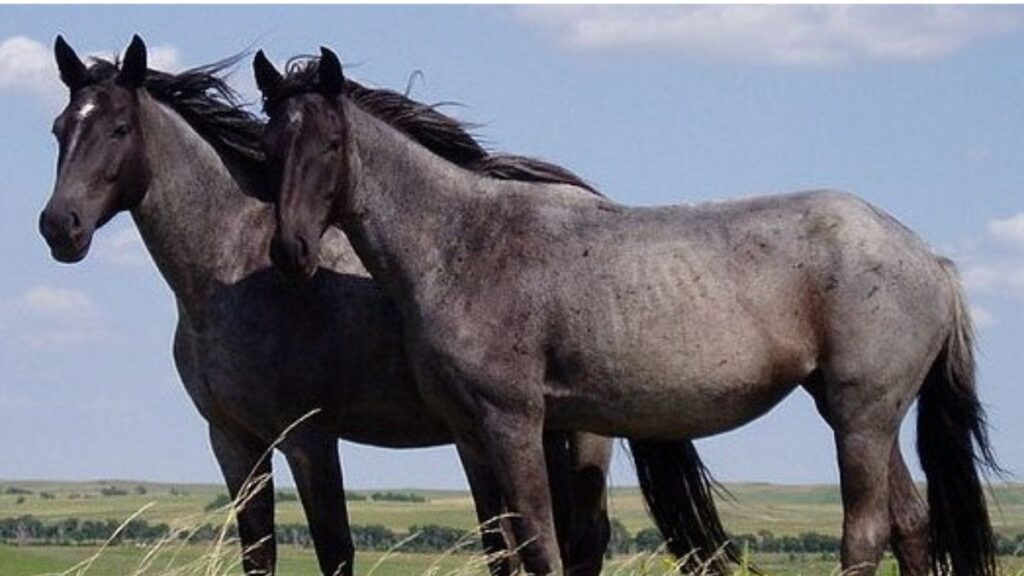
Proper nutrition forms the foundation of health management for horses, llamas, and alpacas, yet each species presents distinct dietary requirements that owners often misunderstand. While horses demand protein-rich feeds to fuel their athletic builds, camelids thrive on roughage that would inadequately nourish their equine counterparts. These fundamental differences extend beyond simple caloric needs into complex considerations of mineral balance, forage quality, and digestive physiology. Understanding these nuances prevents costly health complications and determines whether animals merely survive or truly flourish.
Understanding the Unique Nutritional Needs of Horses, Llamas, and Alpacas
While horses, llamas, and alpacas are all herbivorous livestock, their digestive systems and nutritional requirements differ markedly due to their evolutionary backgrounds.
Horses possess a hindgut fermentation system with a relatively small stomach, requiring frequent small meals of high-quality forage and concentrates. They need adequate protein, vitamins, and minerals for muscle development and energy.
Llamas and alpacas, as camelids, have a three-compartment stomach similar to ruminants, allowing efficient fiber digestion. They require less protein than horses and thrive on lower-quality forage. Their copper tolerance is considerably lower, making mineral supplementation critical to avoid toxicity.
Understanding these physiological differences guarantees proper feed selection, preventing nutritional deficiencies, metabolic disorders, and optimizing overall health and performance for each species.
How Species-Specific Diets Support Long-Term Health and Performance
Because each species metabolizes nutrients differently, tailored diets directly influence longevity, disease resistance, and work capacity.
Horses require higher energy concentrations to sustain athletic performance, with protein levels adjusted according to workload intensity. Inadequate copper or zinc compromises hoof integrity and immune function over time.
Llamas and alpacas, as modified ruminants, need fiber-rich forages with minimal grain to prevent acidosis and hepatic lipidosis. Their copper sensitivity demands carefully formulated supplements to avoid toxicity while meeting trace mineral requirements.
Species-appropriate nutrition reduces chronic inflammation, maintains ideal body condition, and supports reproductive success. Horses fed excessive starch develop insulin resistance and laminitis. Camelids receiving improper calcium-phosphorus ratios experience skeletal deformities.
Precise nutritional management prevents metabolic disorders, extends productive years, and enhances overall health across all three species.
The Importance of Forage Quality in Equine and Camelid Nutrition
Forage constitutes the foundation of digestive health for both horses and camelids, providing essential fiber that maintains gut motility and microbial balance. Quality forage contains adequate protein, vitamins, and minerals while supporting natural grazing behaviors that prevent ulcers and colic.
Horses require consistent access to grass hay or pasture, with mature animals consuming 1.5-2% of their body weight daily in forage. Llamas and alpacas need similar fiber levels but tolerate lower-quality roughage more efficiently due to their three-chambered stomachs.
Premium forage appears green, smells fresh, and lacks dust, mold, or excessive stems. Poor-quality hay reduces nutrient absorption and increases impaction risk. Testing forage for nutritional content enables owners to supplement deficiencies appropriately, ensuring peak health without overfeeding concentrates that disrupt digestive function.
Choosing Llama and Alpaca Feed Based on Digestive Health and Energy Requirements
Camelids possess fundamentally different digestive systems than horses, requiring specialized feeding strategies that account for their efficient metabolism and unique nutritional processing.
Their three-chambered stomach enables superior fiber digestion, extracting more nutrients from lower-quality forage than horses can achieve. This efficiency means llamas and alpacas typically require less concentrate feed and fewer calories per pound of body weight.
When selecting llama and alpaca feed, prioritize products formulated specifically for camelids, as equine feeds often contain excessive protein and energy levels.
Maintenance-level adults thrive on quality hay alone, while growing, pregnant, or lactating animals benefit from supplemental pelleted feeds containing 12-14% protein.
Monitor body condition regularly, adjusting portions to prevent obesity, which severely impacts camelid health. Clean water access and appropriate mineral supplementation complete their nutritional requirements.
Evaluating Best Horse Feed Brands for Balanced Nutrition and Sustained Stamina
Unlike camelids, horses require carefully formulated feeds that address their single-chambered stomach and continuous grazing metabolism. Examples of best horse feed brands like Purina, Triple Crown, and Nutrena design feeds with precise protein, fat, and carbohydrate ratios to support energy demands while preventing digestive complications.
Premium feeds incorporate chelated minerals for enhanced absorption and probiotics to maintain hindgut fermentation. Performance horses benefit from fat-enriched formulas providing sustained energy without excess starch, which can trigger metabolic disorders.
Evaluating brands requires examining ingredient quality, manufacturing processes, and feeding trial results. Whole grains, quality protein sources, and fortified vitamins indicate superior formulations.
Reputable manufacturers conduct digestibility studies and provide transparent nutritional analyses, ensuring feeds deliver consistent results for stamina, muscle development, and overall health.
How Mineral and Vitamin Supplements Support Overall Animal Well-Being
While commercial feeds provide foundational nutrition, mineral and vitamin supplements address specific deficiencies that standard diets may not adequately cover for horses and llamas.
Calcium and phosphorus support bone development and muscular function, while selenium and vitamin E enhance immune response and prevent white muscle disease. Copper and zinc promote healthy coat quality and hoof integrity. Salt blocks guarantee adequate sodium intake, particularly for animals with limited pasture access.
Regional soil variations often create mineral imbalances in forage, making supplementation essential. Blood tests and veterinary assessments determine individual needs based on age, activity level, and reproductive status.
Over-supplementation poses risks, including toxicity and nutrient imbalances. Proper dosing according to manufacturer guidelines and professional recommendations guarantees supplements enhance rather than compromise animal health, supporting longevity and performance across various life stages.
Feeding Strategies for Different Life Stages and Activity Levels
Nutritional requirements for horses and llamas fluctuate considerably throughout their lives, demanding tailored feeding approaches that align with physiological changes and energy expenditure.
Growing foals and crias require higher protein levels and increased calcium-to-phosphorus ratios to support skeletal development. Pregnant and lactating females need elevated caloric intake and enhanced mineral supplementation to maintain body condition while supporting offspring development.
Senior animals benefit from easily digestible feeds with adjusted protein content to compensate for decreased metabolic efficiency. Working or performance animals require energy-dense diets proportional to their activity intensity, with increased fat supplementation for sustained endurance work.
Idle or lightly worked animals need restricted caloric intake to prevent obesity-related complications. Seasonal adjustments account for temperature variations, pasture availability, and reproductive cycles, ensuring ideal health outcomes across all demographics.
Common Nutritional Mistakes to Avoid in Herd and Equine Management
Despite widespread access to feeding information, caretakers frequently commit preventable dietary errors that compromise animal health and performance.
Overfeeding grain represents a critical mistake, as excess concentrates disrupt hindgut fermentation and trigger laminitis, colic, and metabolic disorders. Conversely, underestimating forage requirements leads to gastric ulcers and behavioral problems, since horses and camelids require continuous fiber intake for digestive health.
Inadequate mineral supplementation, particularly calcium-phosphorus imbalances, impairs skeletal development and maintenance. Many caretakers neglect species-specific needs, mistakenly assuming identical nutritional requirements across horses, llamas, and alpacas. Abrupt dietary changes cause dangerous digestive upset. Adjustments should occur gradually over 7-14 days.
Finally, overlooking individual assessment proves detrimental, as age, workload, and health status demand customized feeding protocols rather than standardized approaches.
Building a Sustainable Feeding Plan for Mixed Animal Farms
When managing horses and llamas together, operational efficiency demands strategic feed sourcing and storage infrastructure that accommodates both species without jeopardizing nutritional integrity.
Bulk purchasing of shared feeds like grass hay reduces costs while maintaining quality standards through proper ventilation and moisture control in storage facilities.
Implementing rotational grazing schedules maximizes pasture utilization across species with different browsing patterns. Horses graze grasses close to the ground, while llamas prefer varied vegetation heights, creating complementary pasture management opportunities.
Seasonal feed planning accounts for regional forage availability and price fluctuations. Establishing relationships with local hay producers ensures consistent supply chains and reduces transportation expenses.
Digital record-keeping systems track individual animal consumption patterns, body condition scores, and feed conversion ratios, enabling data-driven adjustments that optimize both animal health outcomes and resource allocation across the mixed-species operation.